by Glenn M. Travis, Principal, GMT Home Design. Updated April 2026.
ADUs (accessory dwelling units) can be an awesome way to add private space, whether for parents, older kids, or renters. With today's high home prices, ADUs are a very attractive alternative.
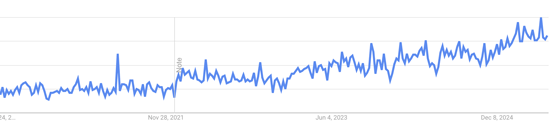
With New England ADU laws and regulations opening up the possibilities for ADUs, it's not surprising that we're fielding a ton of questions and requests for ADU designs. Nationwide, Google searches for "ADUs" have quadrupled in the past five years, signaling rapidly growing interest in these versatile home additions.
We think ADUs are fun and interesting to design: The space usually needs to be super efficient as well as super functional. Also, we want to account for New England's local architecture's charms (and quirks). Whether it's an "in-law" apartment in the main house, a new detached structure or a classic barn renovation, we're ready.
Five sometimes-overlooked ADU costs
For all the ADU enthusiasm, it's worth noting that there are a number of costs that people sometimes overlook, beyond the base price of the unit itself. Here are the five we find most often missed in early planning.
Site preparation. To add a detached ADU, most lots require leveling of the ground, removing vegetation, and ensuring proper drainage.
Foundation work. In our experience, 20% or more of any home construction project budget "goes straight into the ground," mostly meaning into the foundation. That's a big line item, if you don't take it into consideration from the beginning.
Foundations come in different forms including concrete slabs and various kinds of posts, piers, and helical screws. The best choice depends on your specific lot and the size and type of ADU you've chosen. (We can help with figuring that out.)
Utility connections. You'll have to extend water, sewer or septic, electrical, and gas lines to the ADU. This can be pretty straightforward, but sometimes different lots present various challenges that can cause the price to be higher or lower.
Design modifications. You may need changes to a boilerplate floor plan to meet local codes, or to accommodate personal needs and preferences. The builder or installer may have qualified staff to do this, or you may need a design and architecture firm (like GMT).
It's hard to overstate the importance of correct design in the permitting process. In May, we moderated a panel on ADUs, hosted by Koopman's at their Sharon, MA store. Here's an example of what happens when you assume internet floor plans will get you a New England building permit, as told by Eric Sampson, a VP at Koopman's (the emphasis is ours):
"We all know what happens: customers find plans online, buy a set for $800, and expect to build…. We're faced with determining if the customer wants a corrected material list - say, appropriate for MA snow loads instead of (a southern state's) absence of snow loads.
Or, are we pricing "per plan", in order to be apples-to-apples against a competitor. Apples-to-apples pricing for a plan with 26' 2x6 rafters means that when we win the bid, the price is no good for construction, and needs to be redone, sometimes resulting in sticker shock. It's a longer road, and often results in customer confusion and frustration."
Finishing costs. Even if your ADU unit is "pre-built," you may have choices to make about things like interior fixtures, flooring, and appliances. These aren't always included in the unit's sticker price. That's especially true regarding "prefabricated" ADUs, which aren't as plug-and-play as homeowners sometimes imagine.
While that's our 'top 5' list of costs people fail to anticipate, some other items your budget should include are:
- construction permits
- delivery fees, if you're looking at a modular or pre-fab unit
- landscape restoration, because construction involves some disruption to the lot
- increased property taxes and insurance
What about an "in-law" apartment instead?
At first glance, these factors might suggest considering an attached apartment or ADU space, inside your current primary residence, rather than a free-standing ADU.
In terms of overlooked costs, here you want to be aware that attached ADUs usually require more design and permitting work (not less!). In most cases, your town will need to review full architectural drawings of the entire home – not just the new or redesigned area.
Having said that, an in-law apartment can still be less expensive overall. It depends factors such as on whether you are repurposing existing space or adding on, the structure of the home, and so on.
According to NAHB data, garage conversions, specifically, typically cost about 40-50% less than new detached construction – while maintaining comparable rental income, if that's the intended purpose for your ADU.
Don't be afraid of ADU costs – be informed
None of these are costs to be afraid of – they are things to be aware of. As always, an informed homeowner is a happy homeowner!
See GMT's ADU design services page to learn more about how we work to create the perfect extra space our clients need, while achieving a harmonious look with the primary residence.
You can also reach out directly via info@gmthomedesigns.com – let's talk about your ADU plans.