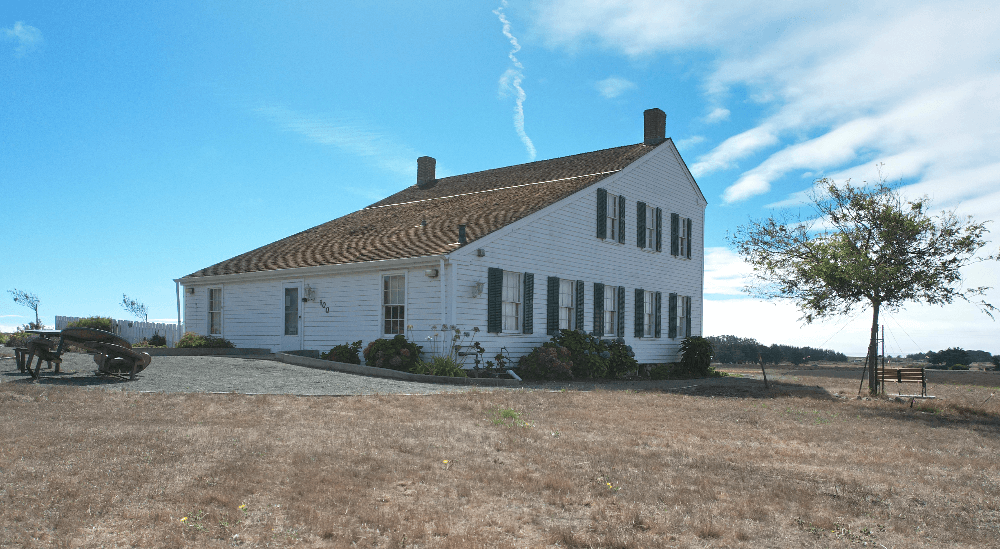
Aerial Photo of Johnston House in Half Moon Bay California
by Glenn M. Travis, Principal, GMT Home Design Inc.
If you're lucky enough to own an old Saltbox Colonial home, you know just how charming and unique these historic houses can be. With their steep roofs and sloping sides, they're a quintessential part of New England's architectural heritage.
In our last post, we explored how the Saltbox Colonial style came to New England, and what its distinct features are. But let's face it: sometimes these homes can feel a bit cramped and outdated. So what can you do to update your Saltbox Colonial, while still preserving its unique character and charm?
Well, first things first — don't panic! There are plenty of ways to make your Saltbox Colonial feel more modern and comfortable without sacrificing any of its historical charm. Here are a few ideas to get you started:
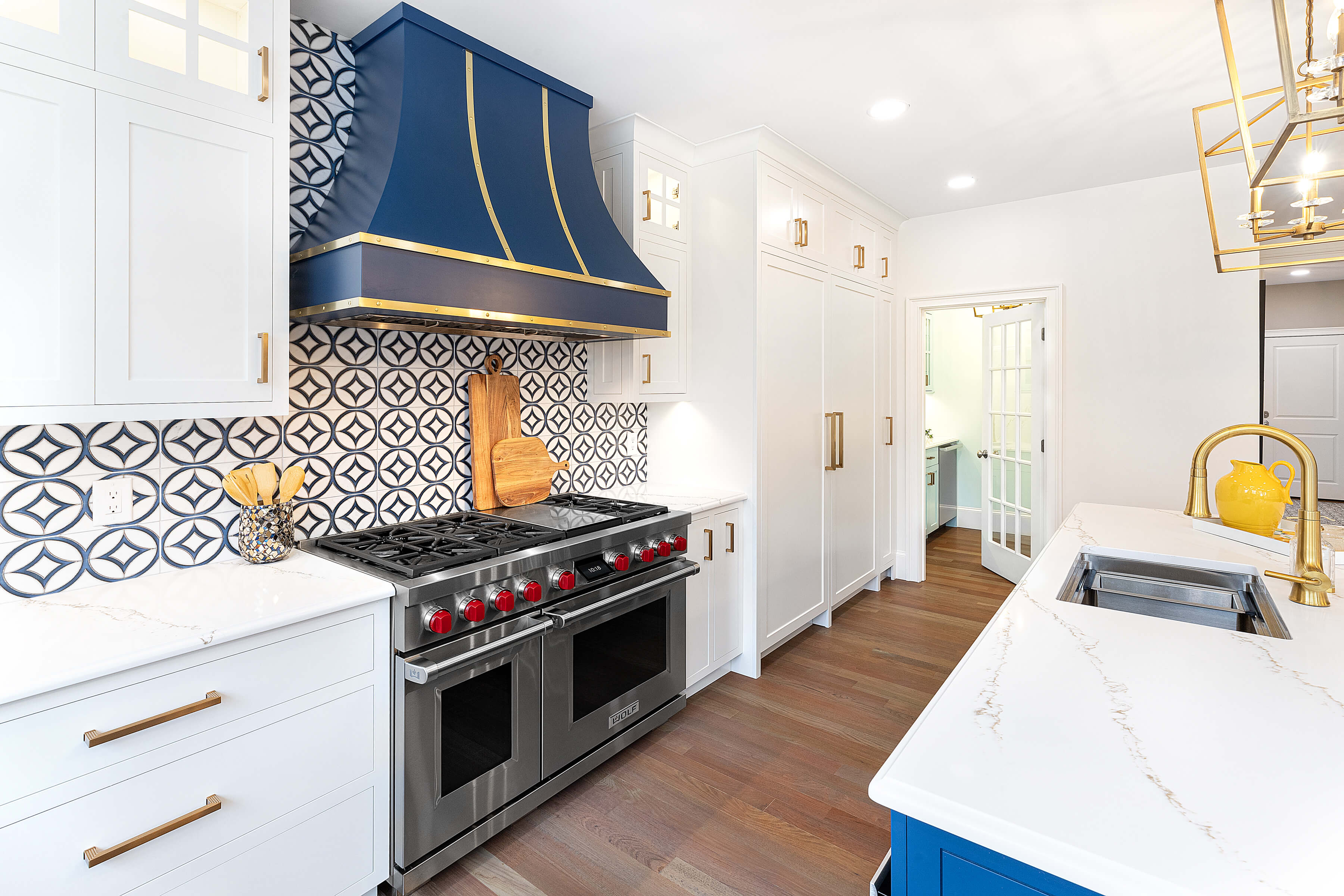
An open-plan kitchen filled with natural light, complete with state-of-the-art appliances and modern amenities, and timeless design. See more of this kitchen remodel...
Open up the floor plan: If your Saltbox Colonial feels a bit closed-off or cramped, consider removing some walls (or even just parts of walls, such as creating an opening between kitchen and dining or living room) to create a more open-concept living space. This can make your home feel more spacious and modern, while still preserving its unique character.
Add some modern amenities: Some of the "modern conveniences" we take for granted these days (like central air conditioning or high-efficiency windows) simply weren't available if you have a vintage Saltbox Colonial. But that doesn't mean you can't add them now! Upgrading your HVAC system, adding insulation, or installing energy-efficient windows can all make your home more comfortable and save you money on energy bills. New windows can also provide a refresh to the exterior look.
Bring in the sun: That long rear roof isn't a great place for windows, but well-placed skylights or sun tunnels can bring more natural light into the home.
Consider solar (especially if your extended rear roof faces south): Solar panels and old Saltbox Colonials aren't always the right mix. As noted in our previous post, the sloped rear roof of older Colonials often faces north — the front of the house was supposed to gather as much winter sunlight as possible to stay warm. Today's solar panels should face south for the same reason, so they aren't effective on a north-facing roof. However, many modern Saltbox Colonials face in different directions, and if you do have a south-facing sloped roof, you're in luck; a long Saltbox roof is perfect for placing a solar array.
Renovate the kitchen and bathrooms: Kitchens and bathrooms are some of the most important rooms in any home, and they're often the first places people look to update. A well-designed and functional kitchen or bathroom can greatly improve the livability and resale value of your home.
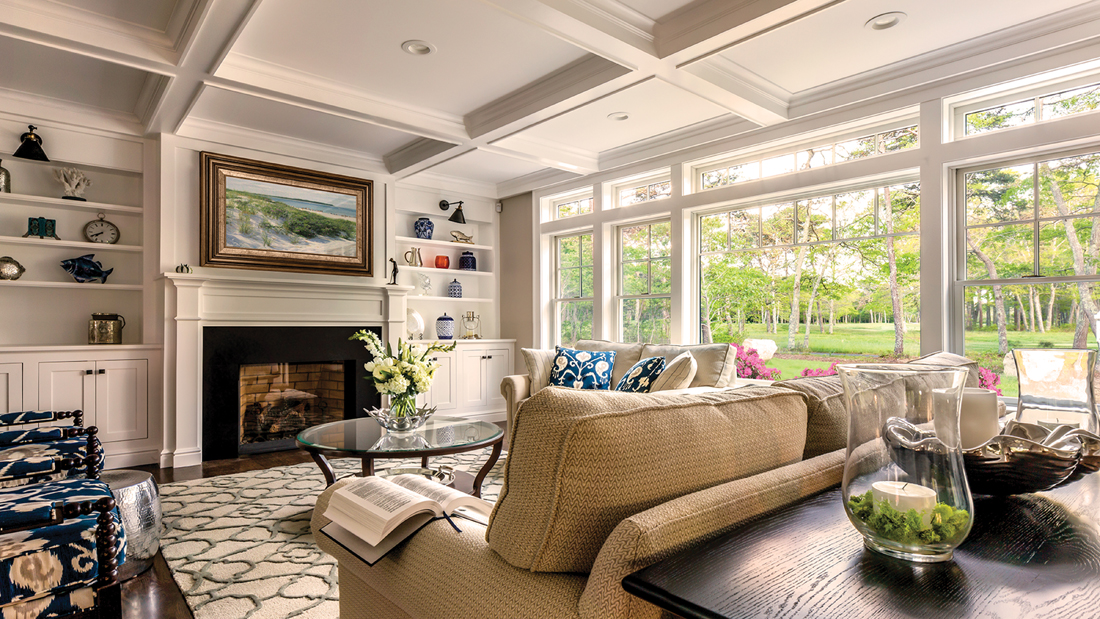
An addition can open up spaces while respecting original features and adding natural light. See more of this project...
Preserve historical features: Your Saltbox Colonial is full of unique architectural details that make it special. Exposed beams, wide plank floors, and original fireplaces are all part of its charm. When you're making updates or renovations, try to preserve these historical features as much as possible. In fact, you may even want to highlight them with some modern lighting or furnishings.
Consider an addition: If you need more space or want to add some modern amenities, an addition might be the way to go. After all, this is one reason the Saltbox design was created in the first place. Modern architectural design offers tons of new ideas for expanding a Saltbox Colonial while enhancing, not losing, the original style and charm.
The bottom line? Don't be afraid to make some updates and changes to your old Saltbox Colonial. With a little creativity and good planning, you can make your home feel more modern and comfortable while still preserving its unique character. So go ahead and get started on those renovations — your Saltbox Colonial will thank you for it!
GMT Home Designs would love to partner with you to bring your vision to life. We provide architectural design services in Massachusetts, New Hampshire, Rhode Island and Connecticut.
About the author: GMT Home Designs founder Glenn M. Travis has lived and worked in New England all his life, with 30+ years' experience in architectural design. Learn more about us.