The dialogue between client and architect is about as intimate as any conversation you can have, because when you're talking about building a house, you're talking about dreams.
- Architect, Robert A. M. Stern
Part 1 – The Benefits of Architectural Design in Custom Home Building
There are a number of benefits to building a custom home using an architect or designer. Probably the most important aspect of building a custom home with a designer is to get the home that really fits your needs and your lifestyle. Architectural design can create solutions that take advantage of the living surroundings to optimize your enjoyment of the home and its use of energy and the environment.
Working with an architect or designer can save time and money by making your new spaces more functional, comfortable, efficient, and environmentally responsible. Architects can play a pivotal role in helping you navigate the options for location, design and how you use your space.
An architect juggles many factors when solving a design problem. While sharing the contractor's concerns with getting the project built and meeting the budget and schedule, an architect/designer integrates a broad range of additional concerns including:
- providing spaces for a client's unique needs and requirements
- how the project expresses the client's feelings, values, and priorities
- how the project relates to its site
- how the project fits into its neighborhood
- how the project fits into its historical context
- how the details enhance the overall effect
- how the project is structured
- long- and short-term economic benefits of design strategies and material, finish, and fixture selections
- jurisdictional limitations
- energy and environmental responsibility
- planning ahead for optional future changes
- in remodels or additions, how new work will fit with or contrast with existing construction
Why Use a Home Designer for Your Project?
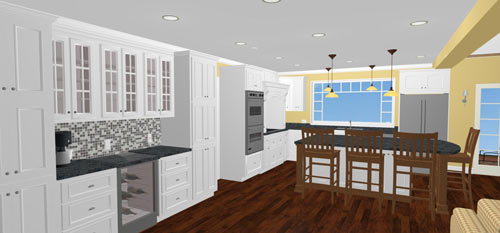
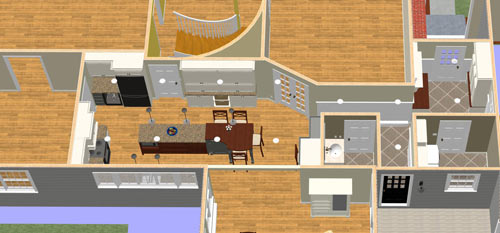
Architects and home designers think spatially and in terms of systems not just elements. Spatial thinking, the way we navigate the world and manipulate the space around us, is crucial to a useful and enjoyable living space. A large part of an architect's role is to help you visualize potential solutions. This may be achieved through the use of building models, three-dimensional drawings, perspective views, and computer-generated images in addition to traditional floor plans, sections and elevations. A clear and vivid representation helps you understand what a design solution will look like and feel like, so you can judge it in an informed way.
Whether it’s routine activities such as loading the dishwasher and cooking meals to capturing light and maximizing the efficiency of a home, architects and designers use spatial thinking to create an environment to your specification.
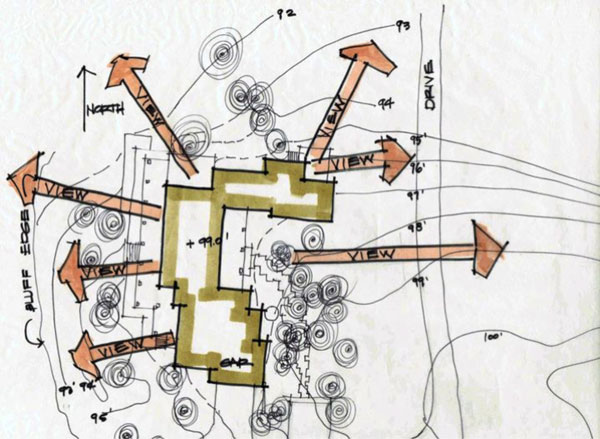
An example of this type of systems thinking is how considering the positioning of windows and rooms to maximize the potential view from your home.
Another example is the use of 3D renderings to show you what your completed project might look like, how the spaces work as a whole within the whole structure, and even location of walls, doors windows and furniture.
Call us to talk about your project and we can help you create a space that truly enhances your life.
The next part of our series will be available next week on our website gmthomedesigns.com
Part 2 Working with an Architect to Define your Dream Home
Figuring out what you need, want and what is possible within your budget.