We don't want to jinx it, but it looks like another beautiful New England spring is finally here.
Winter snow and ice are tough on homes. Now is a good time to examine your house for any damage left behind, and get things fixed up before winter comes around again. Here are three of the most common places to look:
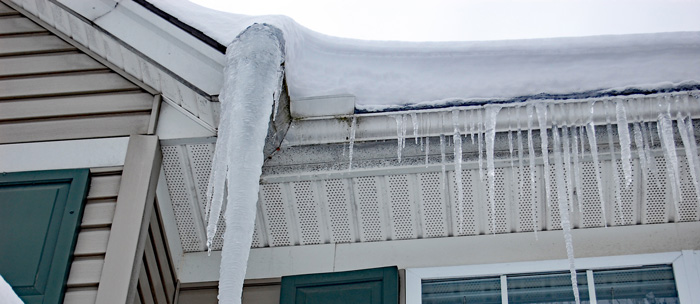
The roof
Ice dams can work their way backwards, up underneath the shingles, damaging soffits, fascia, or the wood of the roof itself.
Look in the attic for any place that water has forced its way in. Water-damaged wood will show discoloration or staining. Wet insulation or peeling paint are other tell-tale signs.
You'll want to dry the area, replace damaged wood or shingles, and seal cracks to keep water from re-entering.
Beyond those repairs, the most valuable thing to do is make sure your attic is correctly insulated and ventilated!
Ice dams form because a warm rooftop melts snow, then that water re-freezes at the lower and cooler edge of the roof. Keeping your home's warmth out of the attic saves on your heating bill and reduces the chance of melting snow turning into an ice dam.

The basement
A musty smell is another indicator of water leaking into your home. Water pressed against the structure by frozen ground tends to find a way in. Dry the basement first and then repair cracks and add waterproof sealant if desired.
Springtime gives you the chance to make sure your landscaping and gutter downspouts move water away from the house year-round. Clear drain pipes and consider adding a french drain or other solution if you have drainage problems.
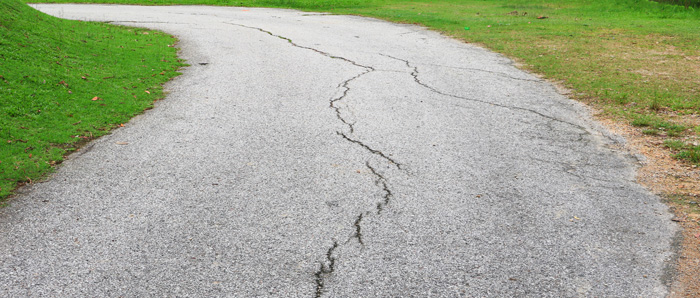
The driveway
Just like the house itself, your driveway can develop cracks from freezing and melting of water.
Small cracks can be repaired with sealants. Doing so will prevent the cracks from getting worse as more water gets in.
Bigger cracks will eventually require repaving. Make sure your driveway is graded to prevent standing water puddles.