By Glenn M. Travis. Second in GMT's Our Towns series.
Continuing our look at some of the New England towns where we work, and enjoy the varied New England architecture.
Following our previous exploration of the Natick/Dover/Sherborn area, I wanted to venture into three communities that exemplify different aspects of the Metrowest suburban experience: Weston, Wayland, and Sudbury. This area is certainly close to Boston, but each of these towns maintains its own distinct identity through architecture and landscape. They mix old and new; each has its own classic architectural buildings, for example, yet all three towns have also voted to accept the state's ambitious opt-in code for energy efficiency in new construction.
We've done many projects in these towns (and, as an aside, happily endorse the coffee at Sudbury Coffee Works and breakfast at Mel's in Wayland). From Weston's elegance to Wayland's family-friendly practicality to Sudbury's historic charm, each offers unique lessons in how architecture and landscape help shape a town's vibe.
Weston: refined elegance meets rural character
Fifteen miles west of Boston, Weston really has mastered the art of preserving rural character while embracing architectural excellence. We have had the pleasure of designing a number of custom homes in this beautiful town.
No question, Weston is upscale – even where older houses and structures are still a vital part of the town. (One small illustration of Weston's affluence: showing up in the Robb Report when former Celtics owner Jim Pallotta put his family's house on the market for $38 million.)
.jpg)
The oldest Weston homes, like the William Smith House (1715), represent classic Colonial "one over one" construction — efficient two-story, two-room homes. This particular house has been expanded from its original footprint, but absolutely retains its rustic look. Two old taverns, the Golden Ball Tavern (1750; now a museum) and the Josiah Smith Tavern (1757), both served travelers along Boston Post Road, and still showcase classic timber framing and simple Federal details.
As in many parts of New England, the town's architectural diversity expanded a lot during the 1920s-1940s suburban boom. Colonial Revival and Federal style homes dominate many neighborhoods, sitting on generous lots that respect the natural contours of the landscape.
But here is another very interesting element mixed in: Weston's rare International Style homes from the 1930s. Found mostly along historic main roads like Sudbury Road, these avant-garde designs create striking contrasts with their Colonial neighbors. Built by European architects who emigrated before World War II, they are a sort of architectural bridge between old and new worlds.
Today, construction in Weston usually emphasizes sophisticated materials and clean lines while respecting traditional scale and elements of New England's architectural styles.
Weston's commitment to preservation shows in its strict permitting process for construction or remodeling projects. Over 2,000 acres - 18% of the town - remain preserved as parks, fields, and forests, so there's lots of great hiking here, which is also true of its neighbors we'll describe below. Properties here tend to reflect their natural settings, with stone walls and mature native plantings.
Weston housing: Did you know?
- Average home value was somewhere around $2,400,000 in 2024 (depending on what source you check), up approximately 90% since 2015.
- The population is about 11,600 people.
- Weston has roughly 3,500 total housing units, described as "a town of large, single-family homes" where there's "a higher proportion of four, five or more bedroom homes than is found in 98% of US communities."
Wayland: a family-focused community
Wayland embodies the ideal of family-friendly suburban living while maintaining strong connections to its agricultural past. This MetroWest community has found a sweet spot between accessibility and small-town character.
The town's vibe is notably practical and community-minded. Families choose Wayland for its excellent schools, safe neighborhoods, and genuine small-town feel despite being just 18 miles from Boston.
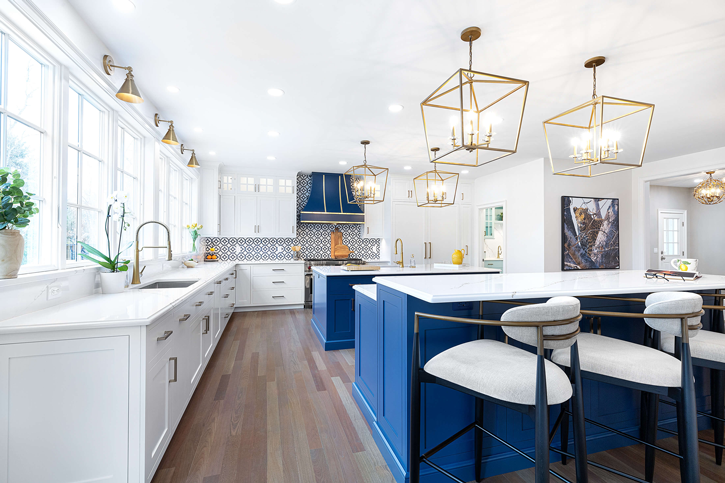
Wayland's architectural story centers on mid-20th century suburban development, though colonial foundations remain visible throughout. The housing stock reflects the post-war boom when former farms and estates were subdivided into family neighborhoods.
Colonial and Colonial Revival styles dominate, with their familiar center-chimney configurations, symmetrical facades, and practical layouts that work well for modern families. These homes typically feature good-sized yards that maintain some connection to Wayland's rural heritage. (On the point of landscaping, another local recommendation from us: Russell's Garden Center, established in 1876, is just AWESOME.)
Contemporary construction in Wayland emphasizes livability. New homes tend to be substantial but not huge, compared to its neighboring towns, and designed for the realities of family life rather than architectural statements. The focus is on functional layouts, quality construction, and integration with established neighborhood character. Ranch and split-level homes from the 1960s-70s building boom represent a significant portion of Wayland's houses. These homes, while less architecturally distinguished, offer practical layouts and have proven adaptable to modern renovation and expansion.
The new Wayland Town Center represents the community's evolution into the 21st century. This mixed-use development links residential units, retail space, office areas, and municipal buildings around a two-acre green - a modern interpretation of the traditional New England town common.
Wayland's landscape reflects its location along the Sudbury River, with meadows and marshlands. The rolling terrain includes access to several other bodies of water as well: Dudley Pond and Lake Cochituate. These, combined with extensive conservation lands, give you a sense of living within natural areas (rather than simply near them).
Wayland represents suburban development done thoughtfully - preserving natural features while creating neighborhoods that function well for contemporary families. The architecture may not be groundbreaking, but it creates comfortable, lasting neighborhoods.
Wayland housing: Did you know?
- Average home value in 2024 was around $1.1M, again depending on your source. That's a rise of around 90% since 2015 – less expensive than Weston or Sudbury, but rising just as quickly.
- The town's population is 14,000 people.
- There are 5,000 housing units, with single-family detached homes accounting for 80% of the total.
Sudbury: Where colonial history lives and breathes
Sudbury offers perhaps the most authentic connection to New England's colonial roots. Incorporated in 1639, this community of nearly 19,000 residents has managed to preserve both architectural heritage and rural character despite steady suburban growth.
The town's vibe is distinctly historical yet vibrantly contemporary. Sudbury takes its heritage seriously - maintaining four separate historic districts and supporting an active Historical Society - while embracing the realities of modern suburban life. This isn't a museum town but a living community where history informs rather than constrains daily life.
Sudbury's architectural heritage spans nearly four centuries, creating an extraordinary timeline of New England building traditions. The Hosmer House (1793) at Concord and Old Sudbury Roads, with its four (!) stately brick chimneys, exemplifies Federal period residential architecture, while numerous Colonial and Cape Cod style homes represent the area's farming past. The Town Center Historic District showcases the evolution from Colonial through Federal periods, with the First Parish Meetinghouse (1797) and its soaring clock tower serving as an architectural anchor.
Mid-19th century Revival styles appear throughout Sudbury, often featuring more elaborate detailing and larger scales than their Colonial predecessors.
Contemporary construction in Sudbury tends toward large single-family homes on acre-plus lots, reflecting zoning bylaws that help maintain rural character. New construction generally respects traditional New England forms while incorporating modern amenities and family-focused layouts. A current GMT project involves designing renovations of a classic post-and-beam Sudbury barn for family living and recreation – a very New England flavored project!
The Wayside Inn is one of America's oldest continuously operating inns, welcoming travelers since 1716. Originally built as a family home, it became Howe's Tavern and later gained fame through Henry Wadsworth Longfellow's "Tales of a Wayside Inn."
Beginning as a simple two-room colonial home, additions over three centuries created the rambling structure that Longfellow described as "built in the old Colonial day, when men lived in a grander way." Automaker Henry Ford's 1920s acquisition brought restoration and expansion, including the construction of a working grist mill and the Martha Mary Chapel.
Sudbury's 24.6 square miles include significant preserved open space. The town features pretty significant elevation changes, from the Sudbury River valley to Nobscot Hill, and large tracts of the Assabet River National Wildlife Refuge provide habitat protection while offering residents direct access to undeveloped landscapes. These conservation areas, combined with many smaller parcels of preserved land, give Sudbury residents a great network of open spaces.
Sudbury housing: Did you know?
- In 2024 the median home value was $1,250,947 median home value, approximately double from 2015.
- Town population is 22,000 people.
- Sudbury has just over 6,300 total housing units, of which many are large 4- and 5-bedroom homes, just like in Weston.
For architectural enthusiasts (like us), these three towns show different ways that thoughtful development can enhance local character, instead of ignoring or overwhelming it. Each town's commitment to landscape preservation, quality construction, and community values creates a place where homes, buildings and neighborhoods age gracefully.
Looking for an architect and home designer near Wayland, Weston, or Sudbury? That's GMT – give us a shout at info@gmthomdesigns.com.